What Is the Role of the Data User?
Learn how financial data users boost compliance and innovation with real-time insights, powered by tools like Fiskil.
Data is an invaluable asset that drives decision-making, compliance, and innovation. The increased emphasis on open finance and regulations such as the Consumer Data Right (CDR) has made it crucial for financial institutions to efficiently access and use data. This brings attention to the essential role of data users, who are responsible for analysing and interpreting data to draw actionable insights.
As financial services evolve with the integration of advanced technologies, the role of data users has expanded beyond basic reporting. Today, they leverage data for everything from risk management to personalising customer experiences. This article explores the role of data users in finance, their responsibilities, and how tools like Fiskil can streamline their tasks by providing real-time, compliant data access.
What Is a Data User in Finance?
A data user in finance refers to an individual or entity that accesses, analyses, and uses data for specific objectives such as regulatory compliance, financial analysis, or business decision-making. Unlike data holders, who are responsible for storing and safeguarding the data, data users focus on applying the data to derive value and insights.
In financial institutions, data users may include financial analysts, compliance officers, regulators, and business intelligence teams. Their primary function is to interpret financial data from various sources, such as customer transactions, loan portfolios, or market trends, and apply it to business objectives or regulatory needs.
Understanding the Role of Data Users in Finance
Data users are primarily tasked with analysing financial data to make informed decisions or produce actionable insights. They might work with data from various sources such as banks, payment processors, or third-party financial services, depending on their objectives. Key responsibilities of data users in finance include:
- Data Analysis and Reporting: Data users perform analysis on collected financial data to generate reports, detect trends, and forecast financial performance. This data may be used for investment strategies, compliance reporting, or improving customer service.
- Compliance and Risk Management: In heavily regulated sectors like finance, data users must ensure that their analysis complies with regulations such as AML (Anti-Money Laundering) laws and the Bank Secrecy Act (BSA).
- Data-Driven Decision Making: By evaluating key financial indicators, data users guide decision-making processes within organisations. This could involve identifying high-risk investments, optimising financial product offerings, or improving fraud detection mechanisms.
Types of Data Users in Finance
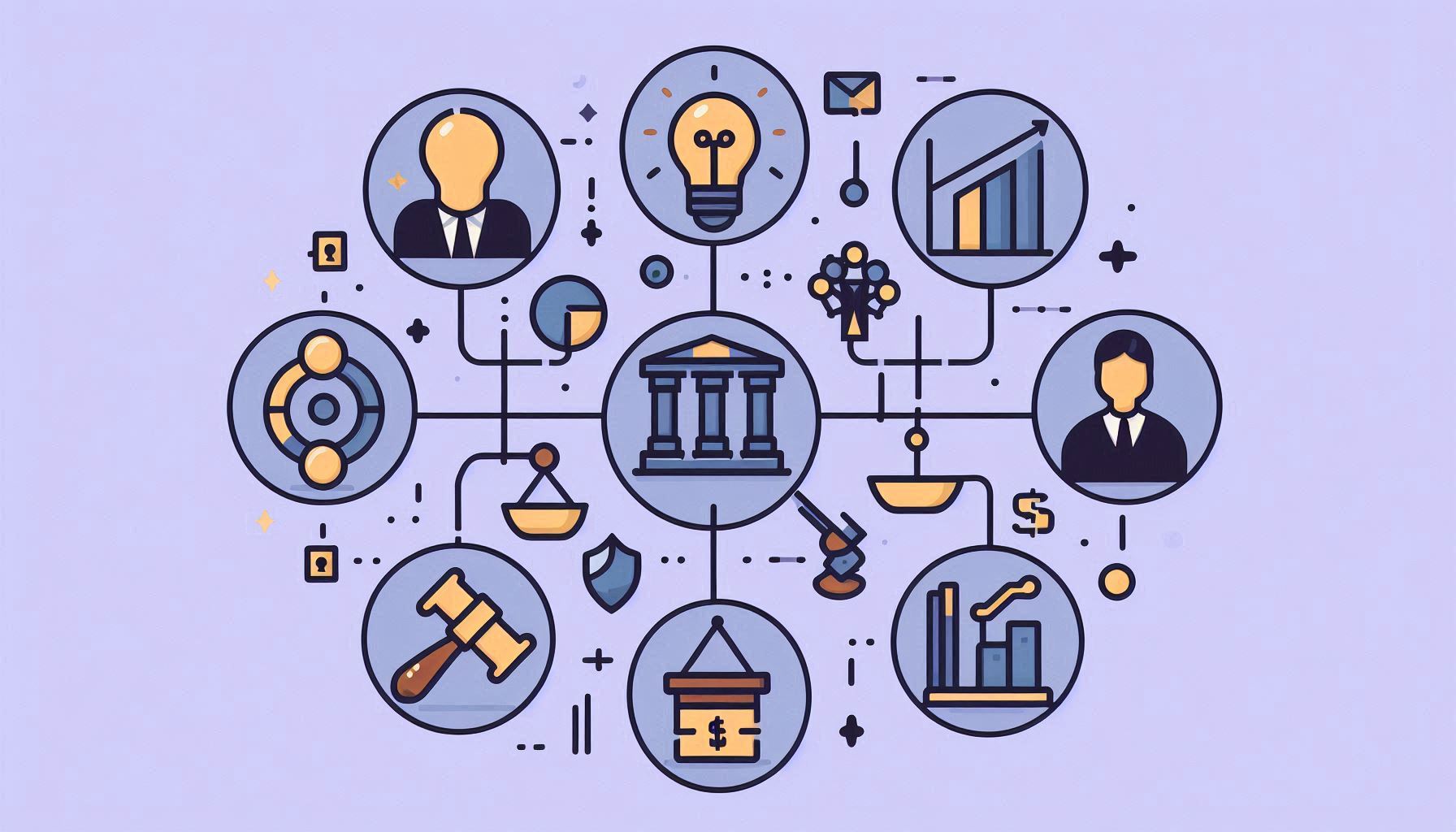
Data users can come from a variety of backgrounds, each bringing their own expertise and perspective on how to use data effectively. Below are common types of data users in the financial sector:
1. Financial Analysts
Financial analysts are among the most common data users in finance. They rely on data to evaluate investment opportunities, assess risks, and develop financial models. Big data in finance allows these analysts to access vast datasets that can inform decision-making in areas such as portfolio management and equity research.
2. Regulators and Compliance Officers
Regulators and compliance officers ensure that financial institutions adhere to local and international regulations. By analysing transactional and customer data, they monitor for compliance with regulations such as Know Your Customer (KYC), AML, and the General Data Protection Regulation (GDPR).
3. Business Intelligence Teams
These teams use data to make strategic decisions about business operations. In financial institutions, this may include optimising customer experiences, developing new financial products, or predicting market trends.
4. Third-Party Service Providers
Third-party providers, such as fintech firms, use data accessed from data holders to build innovative financial tools. For instance, a third-party application that offers personal finance management services relies on data from multiple sources to deliver insights to its users. Under frameworks like the CDR, these third-party providers are regulated in how they use and share consumer data.
Responsibilities of Data Users
Being a data user comes with several responsibilities, particularly in sectors like finance where data privacy, security, and compliance are of utmost importance. Some key responsibilities include:
Ensuring Data Privacy: Data users must handle personal and financial data with care, adhering to regulations such as the GDPR and CDR. This includes protecting sensitive data from unauthorised access and ensuring that data is used only for its intended purpose.
Accuracy in Analysis: Data users are responsible for ensuring the accuracy of their analysis. Any errors in data interpretation can lead to poor decision-making, financial losses, or non-compliance with regulatory requirements.
Adhering to Regulatory Guidelines: Data users must understand and adhere to the regulatory frameworks that govern how data can be used, shared, and analysed. This is especially important in areas such as Anti-Money Laundering (AML), KYC, and PCI DSS compliance.
The Role of Data Users in Enhancing Financial Compliance
With stringent regulations such as GDPR and Basel III shaping the financial industry, data users are pivotal in maintaining compliance. They interpret transaction data, customer profiles, and financial statements to detect suspicious activities or ensure that reporting meets regulatory standards.
By aligning data use with regulations like the Bank Secrecy Act (BSA) and Dodd-Frank Act, data users can help institutions avoid hefty fines, reputational damage, and operational disruptions.
Data users can also implement RegTech solutions, which integrate automation and AI to streamline compliance processes. This allows institutions to monitor regulatory compliance in real-time, reducing human error and increasing operational efficiency.
How Does a Data User's Role Differ from a Data Holder's?
In the financial industry, there are two key entities involved in data management: data holders and data users. Their roles differ significantly, although they often collaborate to ensure the effective use of data.
A data holder is the entity responsible for collecting, storing, and safeguarding data. These institutions—such as banks, credit card companies, and financial services providers—act as the custodians of vast amounts of data generated from transactions, customer accounts, and other financial activities. Their primary concern is ensuring data privacy, security, and compliance with regulations like the Consumer Data Right (CDR) and General Data Protection Regulation (GDPR). Data holders must ensure that data is not only stored securely but also shared in compliance with the applicable regulations.
On the other hand, a data user focuses on analysing and interpreting the data provided by data holders. Their goal is to extract meaningful insights from the data for decision-making, compliance, or customer experience enhancement. Unlike data holders, who are more concerned with security and privacy, data users prioritise applying data to drive business outcomes.
To summarise:
- Data Holder: Responsible for storing and securing data, complying with privacy and security regulations.
- Data User: Focuses on analysing data to drive decision-making, compliance, and other business objectives.
Fiskil: Enhancing Data User Efficiency in Open Finance
As data usage becomes more complex in the financial industry, platforms like Fiskil play a crucial role in supporting data users. Fiskil is an open finance platform that allows secure access to real-time financial data through its robust API infrastructure, making it easier for data users to extract, analyse, and utilise data for various purposes while ensuring compliance with relevant regulations.
How Fiskil Supports Data Users
Seamless Data Access
Fiskil provides data users with real-time access to financial and energy data through secure APIs. This allows data users to quickly obtain the data they need for compliance reporting, financial analysis, and decision-making.Compliance-Ready Solutions
Data users can trust Fiskil to provide data that complies with regulations such as the Consumer Data Right (CDR) and GDPR. This helps mitigate risks associated with non-compliance, allowing users to focus on analysis and strategy.Data Security
Fiskil's platform offers end-to-end encryption and secure data handling practices, which is critical for data users working with sensitive financial information. Whether it’s for identity verification or fraud detection, Fiskil ensures that data remains secure throughout its lifecycle.Automated Data Solutions
For data users looking to automate routine tasks such as financial reporting or customer onboarding, Fiskil offers solutions that streamline processes. Automated access to accurate and up-to-date data enables data users to make decisions with confidence and reduce manual workloads.
Why Fiskil Is Essential for Data Users
With the growing complexity of financial regulations and the increasing demand for real-time data, data users require tools that simplify their workflows and ensure compliance. Fiskil provides these essential tools, offering APIs that can be integrated seamlessly into existing systems, allowing data users to focus on interpreting data rather than managing it.
Conclusion
Data users play an indispensable role in the financial ecosystem by accessing and analysing data to drive insights, ensure regulatory compliance, and support decision-making. Their responsibilities include safeguarding data privacy, ensuring accuracy in analysis, and adhering to complex regulatory frameworks.
Platforms like Fiskil enable data users to access real-time, compliant data securely and efficiently. By leveraging Fiskil’s APIs, data users can enhance their analytical capabilities, automate routine tasks, and ensure that they are working with the most accurate and up-to-date information. This not only supports better decision-making but also helps organisations stay compliant in an increasingly regulated financial landscape.
For more insights on how Fiskil is empowering data users, visit the Fiskil blog and discover how they can streamline data access and compliance.
Relevant Links
Fiskil Resources
- Fiskil Official Website
- Fiskil Blog
- What is a Data Holder
- Future Trends in Regulatory Compliance Expertise
- What is the Consumer Data Right
- Real-time Data Insights for Financial Applications
- Understanding GDPR