How Open Banking Addresses Challenges of One-Off Payments
Discover how Open Banking transforms one-off payments by enhancing efficiency, transparency, and security, modernizing the financial sector.
One-off payments present a unique set of challenges for businesses and consumers alike. These include inefficiencies in processing, lack of transparency, and limited payment tracking. Fortunately, Open Banking has emerged as a transformative solution to address these issues, offering enhanced efficiency, security, and convenience.
This article explores how Open Banking addresses the challenges of one-off payments, the opportunities it presents, and the role it plays in modernising the financial sector.
What Are One-Off Payments?
One-off payments are single transactions typically made for goods or services. Unlike recurring payments, they are not automated or scheduled, making their processing reliant on manual input or standalone systems. While seemingly straightforward, they often involve complexities such as processing delays, payment reconciliation issues, and heightened fraud risk.
Challenges in Managing One-Off Payments
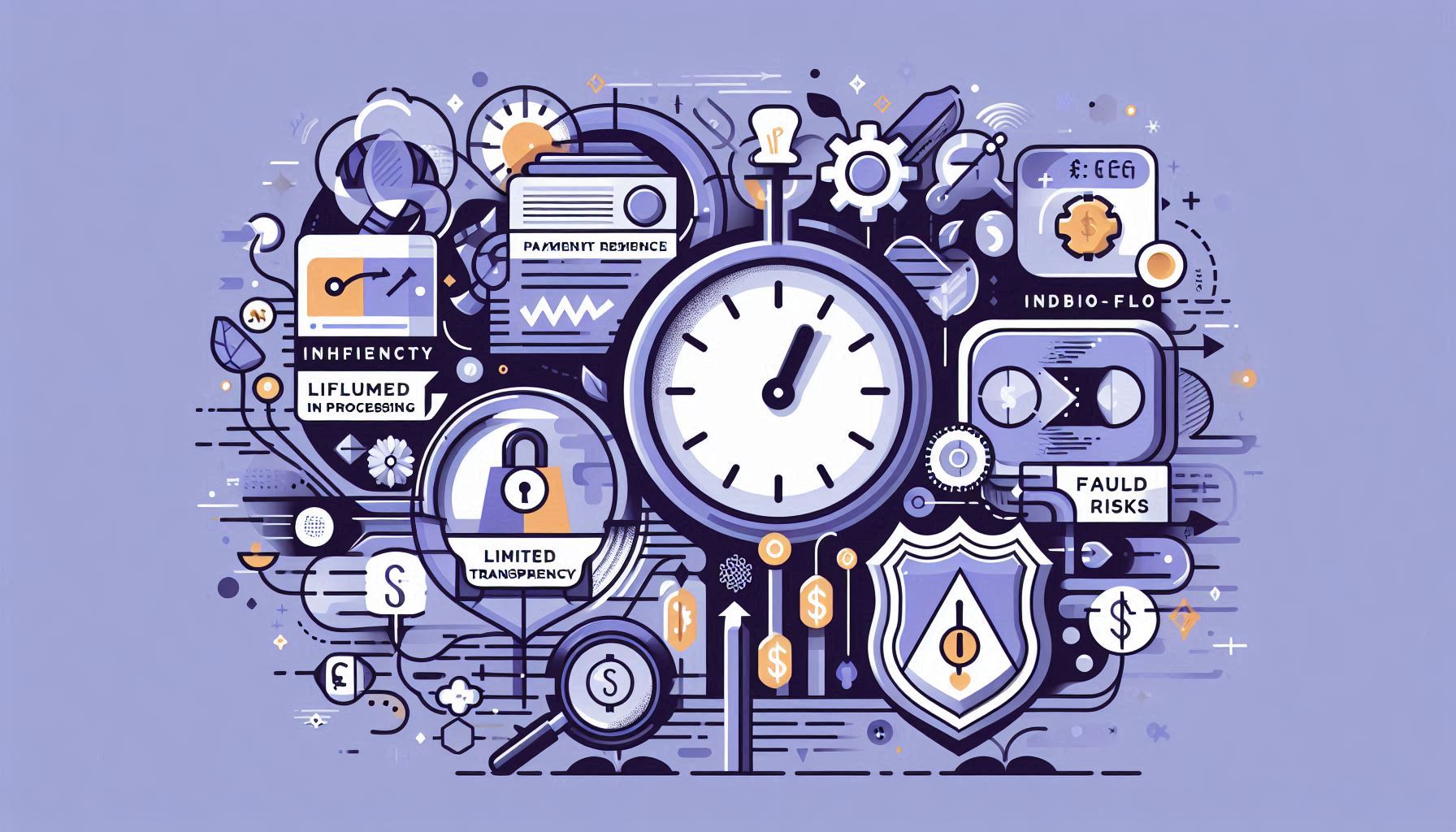
1. Inefficiency in Payment Processing
One-off payments often rely on traditional bank transfers, which may result in delays due to manual approval processes or the involvement of intermediary banks. Businesses struggle with reconciliation as these payments lack the continuity of recurring transactions.
More insights on one-off payment challenges can be found in GoCardless’ comprehensive guide.
2. Limited Transparency
Without automated systems, tracking and verifying one-off payments can become cumbersome. Errors in payment identification, such as missing references, lead to confusion and inefficiencies.
Learn how Open Banking promotes transparency in this TrustPair article.
3. Fraud and Security Risks
Single payments can be more vulnerable to fraud due to the lack of built-in security features. Verifying account ownership and ensuring compliance with anti-fraud protocols is often time-intensive and prone to error.
How Open Banking Solves One-Off Payment Challenges
Open Banking leverages APIs to enable secure, real-time access to banking data, transforming the way payments are initiated and managed. Here’s how it addresses the specific challenges of one-off payments:
1. Enhanced Payment Efficiency
Through Open Banking, payments can be initiated directly from a consumer’s bank account via secure APIs. This eliminates the need for manual processes and ensures faster transaction times.
For example, Open Banking allows businesses to reconcile payments instantly, reducing administrative burdens. Learn more about these efficiencies from Powens’ Open Banking guide.
2. Improved Transparency
Open Banking provides real-time updates and tracking for payments. Consumers and businesses can view payment statuses instantly, ensuring greater clarity and reducing errors associated with manual tracking.
Explore how Open Banking improves financial transparency on Investopedia.
3. Robust Fraud Prevention
Open Banking APIs integrate features like account verification and two-factor authentication, minimising fraud risks for one-off payments. This ensures compliance with key regulations such as PSD2 and GDPR, enhancing consumer trust.
Read more about Open Banking security features in this article by Ciklum.
Who Benefits the Most from Open Banking Solutions for One-Off Payments?
The benefits of Open Banking for one-off payments extend across various sectors, but some groups stand out as primary beneficiaries:
Small Businesses
Small enterprises often struggle with payment reconciliation and processing delays. Open Banking simplifies these processes, enabling faster cash flow and efficient management.E-commerce Platforms
With one-off payments being a common feature of e-commerce, these platforms benefit from the speed and transparency Open Banking offers, ensuring smooth customer experiences.Consumers
Customers benefit from real-time payment tracking, reduced processing fees, and greater confidence in secure transactions.
Explore additional benefits for consumers and businesses in this article by Brankas.
What Role Do APIs Play in Facilitating One-Off Payments Through Open Banking?
APIs (Application Programming Interfaces) are the backbone of Open Banking, enabling seamless connections between financial institutions, businesses, and consumers. For one-off payments, APIs offer:
Real-Time Data Access
APIs enable instant access to account data, allowing businesses to verify funds before processing payments.Automation of Payment Processes
APIs eliminate manual intervention by automating the payment initiation and reconciliation processes, reducing errors.Enhanced Security
APIs ensure secure data transmission, incorporating measures such as encryption and multi-factor authentication to protect against fraud.
Dive deeper into the role of APIs in Open Banking in this blog post by ElifTech.
What Are the Long-Term Advantages of Using Open Banking for One-Off Payments?
Open Banking's impact on one-off payments extends beyond addressing immediate challenges. Its long-term advantages include:
Cost Efficiency
By eliminating intermediary fees and manual processes, Open Banking reduces operational costs for businesses.Scalability
Businesses can scale their payment systems effortlessly as Open Banking APIs integrate seamlessly with existing platforms.Future-Proofing Payments
As consumer demand for faster, more secure payment options grows, Open Banking ensures businesses remain competitive by staying ahead of technological trends.
Learn more about these benefits from Forbes' insights.
Where Are Open Banking-Based One-Off Payment Solutions Gaining Traction?
Open Banking solutions for one-off payments are gaining significant traction in:
Europe
With regulations like PSD2 driving adoption, Europe has become a leader in Open Banking implementation.Australia
Under the Consumer Data Right (CDR), Open Banking in Australia is empowering businesses and consumers to adopt innovative payment solutions.Southeast Asia
Emerging markets in Southeast Asia are rapidly adopting Open Banking to bridge the gap in financial inclusion and improve payment systems.
Explore the global adoption of Open Banking in this resource from the World Union of Arab Bankers.
Opportunities Created by Open Banking for One-Off Payments
Open Banking not only addresses existing challenges but also creates new opportunities:
Streamlined Cross-Border Payments
With Open Banking, businesses can process international one-off payments more efficiently by bypassing traditional banking intermediaries. Learn more in Brankas’ article.Integration with Personal Finance Tools
Open Banking enables consumers to use budgeting tools that track one-off payments and provide insights into spending habits.Customised Business Solutions
Businesses can leverage Open Banking APIs to offer tailored payment solutions that align with their operational needs.
Case Study: Open Banking in Action
Consider a retail business dealing with large volumes of one-off payments. Traditionally, reconciling these payments would involve manual labour, errors, and delays. With Open Banking, the business integrates APIs that automate payment initiation and tracking, significantly improving efficiency and reducing costs.
Discover more examples of Open Banking applications on ElifTech’s blog.
Fiskil: Elevating Open Banking Solutions
What Is Fiskil?
Fiskil is a cutting-edge platform that simplifies access to real-time banking and energy data under the Consumer Data Right (CDR). Designed for developers, Fiskil provides scalable APIs that seamlessly integrate with financial systems, transforming the way businesses and consumers interact with banking data.
Learn more about Fiskil’s mission here.
How Fiskil Supports One-Off Payments
Fiskil addresses challenges in one-off payments by offering:
Real-Time Account Verification
Fiskil ensures secure payment initiation by verifying account ownership instantly.Fraud Detection
Its advanced API capabilities utilise transactional data to flag suspicious activities, enhancing security.Automated Onboarding
Fiskil streamlines customer onboarding for businesses handling frequent one-off payments, reducing drop-offs and improving user experience.
Explore Fiskil’s advanced features on its blog.
Why Choose Fiskil?
By integrating Fiskil, businesses gain access to pre-built compliance solutions and unified APIs that cut development time, lower project risks, and enhance speed-to-market. These capabilities make Fiskil an ideal partner for navigating the complexities of Open Banking.
Conclusion
Open Banking is revolutionising the way one-off payments are managed, addressing long-standing challenges such as inefficiency, lack of transparency, and fraud risks. By leveraging secure APIs, Open Banking empowers businesses and consumers to enjoy faster, safer, and more transparent payment experiences.
Fiskil, with its robust API infrastructure, further enhances these capabilities, providing businesses with the tools they need to streamline operations and improve customer satisfaction. By embracing solutions like Fiskil, organisations can unlock the full potential of Open Banking for one-off payments.
Additional Resources
- Fiskil
- Fiskil Blog
- Unlocking the Power of Open Banking
- What is Consumer Data Right (CDR)
- Open Banking
- Future of Open Banking
- Consumer Data Right (CDR)
- The Challenges of Collecting One-Off Payments
- Open Banking: Opportunities and Challenges
- What is Open Banking?
- Open Banking: A Complete Guide to Address Challenges and Reap Benefits
- Challenges and Complexities in Open Banking
- Open Banking in the Financial Industry
- Open Banking Challenges and How to Overcome Them
- How Open Banking May Affect the Financial Sector
- What is Open Banking?
- What Data Does Open Banking Provide Access To?