How to Integrate Fintech Solutions Effectively
Streamline financial processes with effective fintech integration. Discover strategies, overcome challenges, and enhance customer experience seamlessly.
Fintech integration has become essential for businesses aiming to streamline financial processes, improve customer experiences, and stay competitive in a digital-first world. This article delves into effective strategies for integrating fintech solutions, common challenges, and practical steps to ensure a smooth implementation.
Understanding Fintech Integration
Fintech, short for "financial technology," involves using digital tools to automate, enhance, or simplify financial services. Integrating fintech solutions enables businesses to leverage tools such as predictive analytics, automation, and open banking for real-time data access, boosting operational efficiency. Learn more about fintech and its impact on the financial sector in Investopedia’s guide.
Key Steps to Integrate Fintech Solutions
1. Identify Business Needs and Goals
Effective fintech integration begins with a thorough assessment of your business needs. Are you looking to streamline payment processes, improve customer data insights, or enable predictive analytics for personalised marketing? Defining clear goals will help in selecting the right fintech solutions. For a deeper dive into fintech’s role in predictive analytics, explore Tech Funnel’s article on the intersection of fintech and martech.
2. Select a Suitable Fintech Solution
With numerous fintech solutions available, selecting the right one can be challenging. Consider factors like scalability, compatibility with existing systems, security features, and customer support. Platforms such as Aspire Systems offer insights into how fintech integration can transform industries by streamlining customer service and back-end operations.
3. Focus on Data Security and Compliance
Data security and regulatory compliance are paramount in fintech. Ensure that your chosen fintech provider meets industry regulations like PCI-DSS and GDPR, especially if dealing with sensitive customer information. To avoid potential data privacy issues, it’s crucial to integrate secure data-sharing protocols within fintech systems. Fireart Studio’s guide offers tips on building secure fintech integrations that safeguard sensitive information.
4. Create a Cross-Functional Team for Integration
Successful fintech integration involves collaboration between different departments, such as IT, finance, and customer service. A cross-functional team can ensure all aspects, from system compatibility to user training, are covered. Collaboration is especially important when integrating with legacy systems. LinkedIn’s advice on integrating legacy systems offers strategies for overcoming challenges in integrating fintech with existing technology stacks.
5. Prioritise User Experience and Training
Ensuring a smooth user experience is essential for fintech adoption. Provide comprehensive training and support to help your team and customers adjust to the new system. ProfileTree highlights the importance of seamless fintech integration, particularly in online marketing, where usability impacts customer satisfaction and engagement.
Building a Team for Fintech Integration
Who Should Be Involved in the Fintech Integration Process?
Fintech integration is a collaborative effort involving several departments. IT professionals ensure the technical compatibility of fintech solutions, while finance teams help define the solution’s business objectives. Compliance officers ensure regulatory adherence, and customer service teams can provide insights into enhancing the user experience. Creating a cross-functional team streamlines the process, helping to identify potential roadblocks early on. LinkedIn’s advice offers guidance on involving the right stakeholders for successful fintech integration.
Prioritise User Experience and Training
Ensuring a smooth user experience is crucial for successful adoption. Both employees and customers should find the new system easy to navigate. Additionally, comprehensive training for internal teams can help them adapt more quickly and fully leverage the fintech tool’s capabilities. ProfileTree emphasises the importance of seamless integration in enhancing customer engagement.
Challenges in Fintech Integration
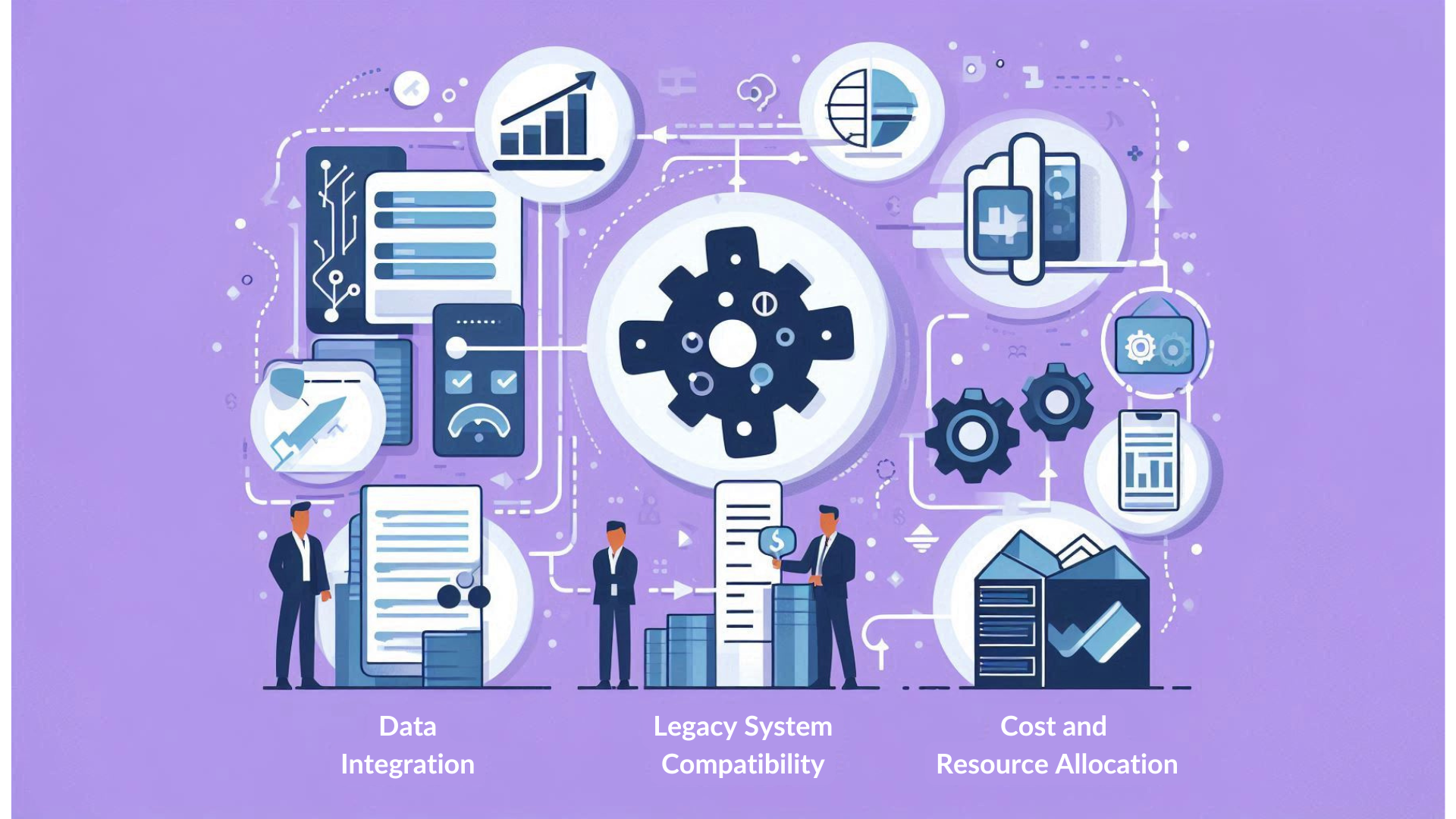
Despite its advantages, fintech integration presents challenges that need addressing:
Data Integration: Integrating data from multiple sources can be complex. Fintech Futures discusses strategies for effective data integration, including data mapping and API integration.
Legacy System Compatibility: Older systems may lack the infrastructure needed for seamless integration with fintech solutions, necessitating customisation or gradual updates.
Cost and Resource Allocation: Implementing fintech solutions requires an investment in resources, both financial and personnel, which businesses must plan for in advance.
For a comprehensive guide on overcoming integration challenges, see DashDevs’ insights on fintech integrations.
Why Fiskil Is Essential for Fintech Integration
What Is Fiskil?
Fiskil is a platform designed to support businesses in seamlessly integrating open finance solutions. It connects businesses with real-time banking and energy data, enabling them to access, manage, and leverage financial information securely.
How Fiskil Supports Effective Integration
Identity Verification: Fiskil simplifies identity verification by allowing businesses to verify customer identities directly from their bank accounts, ensuring security and compliance with open banking regulations.
Automated Onboarding: Fiskil reduces customer drop-offs by automating onboarding processes. This feature helps businesses create a smoother onboarding experience, which is especially beneficial in high-volume customer service sectors.
Enhanced Fraud Detection: Fiskil utilises transactional data to detect unusual patterns, helping businesses safeguard their operations against fraudulent activity.
Personalised Financial Services: Fiskil offers tools that turn banking data into valuable insights, such as budgeting and forecasting, allowing businesses to offer personalised services to customers.
For more information on Fiskil and how it can support your fintech integration journey, visit their official website.
Conclusion
Integrating fintech solutions can significantly enhance a business's operational efficiency, customer experience, and data-driven decision-making. By focusing on defined goals, prioritising security, and ensuring cross-functional collaboration, companies can successfully navigate fintech integration. With platforms like Fiskil, businesses can further streamline their integration process, ensuring secure access to real-time financial data that supports growth and innovation.
Additional Resources
- Fiskil
- Fiskil Blog
- Effective fintech integration
- open finance
- Fintech integration
- Data security
- GDPR
- Almond Solutions - Integrating Fintech into Your Small Business Technology Plan
- Tech Funnel - Predictive Analytics in Fintech and Martech
- LinkedIn - Effective Strategies for Integrating Legacy Systems
- ProfileTree - Integrating Fintech Solutions in Online Marketing
- Aspire Systems - The Power of Fintech Integration
- LinkedIn - How Can You Integrate Fintech Best Practices?
- DashDevs - Fintech Integrations
- Investopedia - Fintech
- Fintech Futures - Fintech Data Integration Challenges and Effective Strategies
- Fireart Studio - How to Build Efficient, Secure Fintech Solutions