What Is a Data Holder and Their Role in Finance?
Explore the vital role of data holders in finance, ensuring secure, transparent data sharing under regulations like CDR and GDPR for enhanced services.
A data holder is a key player in the financial ecosystem, responsible for the secure management and sharing of consumer data. In the context of frameworks like Australia’s Consumer Data Right (CDR) and Europe’s General Data Protection Regulation (GDPR), data holders enable a more transparent and consumer-centric approach to data sharing. By collecting, storing, and controlling access to sensitive financial information, these entities pave the way for consumers to share their data with authorized third parties, such as fintech companies and service providers, all while ensuring their privacy and security are upheld.
With a growing emphasis on transparency and consumer empowerment, data holders have become integral to modern financial systems. They not only facilitate seamless data exchanges but also enhance user experiences by streamlining processes that benefit both consumers and service providers.
What Is a Data Holder?
A data holder refers to any entity that has the authority to collect, store, and manage consumer data within the financial sector. This includes a wide range of organizations, such as banks, credit unions, fintech companies, and even utilities, all tasked with safeguarding consumer information. Their primary responsibility lies in ensuring that this data is handled securely and shared appropriately, adhering to regulatory frameworks designed to protect consumer rights.
In the financial landscape, data holders play a crucial role by enabling consumers to exercise control over their personal information. They not only facilitate secure access to data but also promote innovative financial services by allowing authorized third parties to utilize this information. This collaborative approach fosters a more dynamic and responsive financial ecosystem, enhancing the services available to consumers while ensuring compliance with relevant regulations.
What Is Their Role in Finance?
Data holders in finance play a vital role in the broader financial ecosystem by enabling:
Data Access
They provide consumers with control over their financial data, allowing them to share information with third-party services securely.Innovation in Services
By facilitating data sharing, data holders enable the development of innovative financial services and products, such as comparison tools and budgeting apps.Regulatory Compliance
They ensure that data is managed and shared in compliance with regulations like the CDR and GDPR, promoting transparency and accountability in the financial sector.Consumer Trust
By protecting consumer data and providing transparent practices, data holders help build trust in financial systems, encouraging more users to participate in open banking.
Understanding the Role of Data Holders
At their core, data holders are responsible for storing and safeguarding consumer financial information. This data may include transaction records, account details, or even consumer identity verification data. The ability of these entities to share this information, often through APIs, forms the backbone of open finance. It allows customers to securely share their financial data with authorised third parties, enabling services like personalised budgeting tools, credit checks, or even automated investment advice.
As a result, data holders must ensure that data is shared only with authorised entities and in compliance with the relevant regulations like CDR or GDPR. This not only protects the integrity of the financial system but also builds consumer trust by enhancing privacy and security.
Who Can Be Classified as a Data Holder in Finance?
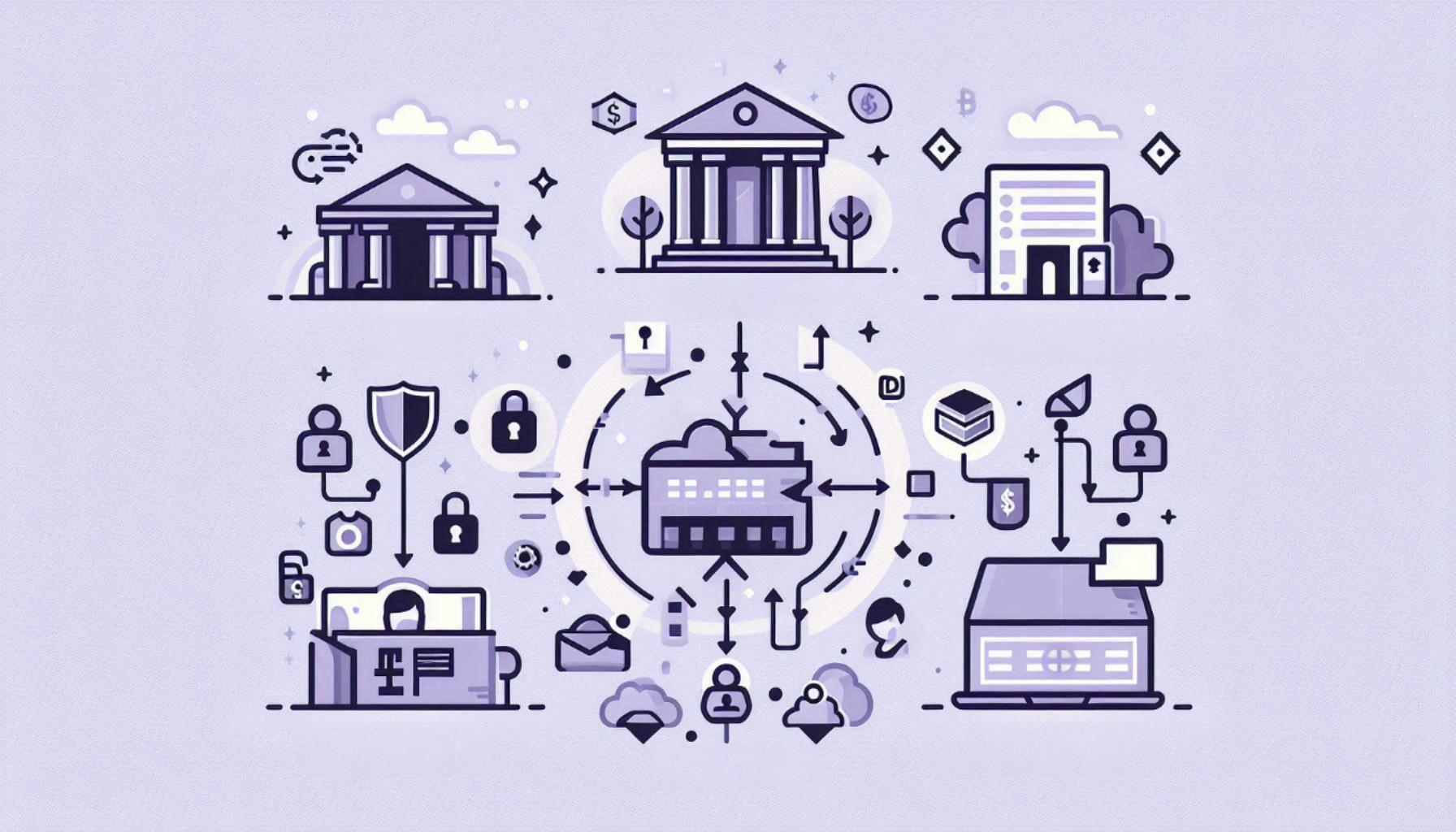
In the financial sector, a data holder can be any entity that collects, stores, and manages consumer financial data and is authorised to share it under specific regulations. The classification of data holders varies depending on the regulatory framework and the type of data being managed. Here's a closer look at who can be classified as a data holder in finance:
1. Banks and Financial Institutions
Traditional banks and financial institutions are the most common data holders in the financial ecosystem. They manage vast amounts of sensitive consumer financial data, from account details to transaction histories. Under open banking regulations like the Consumer Data Right (CDR), these entities are required to share this information with authorised third-party service providers upon customer consent.
2. Credit Unions and Mutuals
Smaller financial institutions like credit unions and mutual banks also serve as data holders. Though they may operate on a smaller scale than traditional banks, they handle similar types of data and are subject to the same compliance regulations when it comes to sharing consumer data securely.
3. Payment Service Providers
Entities like payment service providers, which process transactions for consumers and merchants, also fall under the category of data holders. These companies manage a wealth of transactional data that is essential for maintaining payment records and assessing customer behaviour.
4. Fintech Companies
Fintech companies, which provide innovative digital financial services such as mobile wallets and peer-to-peer lending platforms, also store and manage consumer financial data. As data holders, they are required to securely share this information with authorised recipients while adhering to regulatory standards.
5. Insurance Providers
Insurance companies, managing data related to policies, claims, and premium payments, are another example of data holders. Their data can be shared with authorised third parties for various purposes, such as cross-service integration or fraud detection.
6. Utilities and Service Providers
In some cases, utility providers, such as energy companies, can also be considered data holders. Under the CDR, data related to energy usage can be shared to offer better pricing and consumption insights, much like financial data sharing in the banking sector.
Responsibilities of Data Holders
Data holders must comply with various regulations such as the GDPR, CDR, and PCI DSS to ensure that consumer data is handled securely. Some of their key responsibilities include:
- Data Privacy and Security: Data holders must ensure that the data they store and share is protected from unauthorised access. This involves implementing stringent security measures, including encryption and access controls.
- Consent Management: One of the core principles of regulations like the CDR and GDPR is that data must only be shared with consumer consent. Data holders are responsible for obtaining and managing this consent in a transparent manner.
- Data Accuracy: Maintaining accurate and up-to-date information is another critical responsibility of data holders. They must ensure that the data shared with third parties is correct and reflects the latest consumer activity.
Fiskil: Enhancing the Role of Data Holders in Open Finance
As data holders face increasing regulatory scrutiny and consumer expectations, platforms like Fiskil are playing an essential role in helping institutions meet these demands while enhancing their service offerings.
What Is Fiskil?
Fiskil is an open finance platform designed to simplify access to real-time financial data for banks, fintech companies, and service providers. By connecting businesses to banking and energy data through a secure API, Fiskil allows data holders to integrate real-time insights seamlessly while ensuring regulatory compliance.
How Fiskil Supports Data Holders
Real-Time Data Access
With Fiskil's API, data holders can provide real-time data to authorised third parties, enabling services such as real-time budget tracking, automated financial planning, and enhanced risk assessments. This feature is especially crucial in open banking, where up-to-date information is vital for maintaining an accurate financial picture.Compliance-Ready Solutions
Fiskil is built to comply with regulations such as the Consumer Data Right (CDR) and GDPR. This ensures that data holders using Fiskil can confidently share consumer data without worrying about breaching legal or regulatory requirements.Enhanced Security
Fiskil employs advanced encryption protocols and stringent security measures, making it a trusted partner for data holders handling sensitive consumer data. With secure API connections, Fiskil helps data holders safeguard financial and personal information throughout the data-sharing process.Scalability for All Types of Data Holders
Whether you're a large financial institution or a small fintech startup, Fiskil's platform can scale to meet your needs. This flexibility allows any data holder, regardless of size, to leverage real-time data for better customer experiences and streamlined operations.
Conclusion
Data holders play a critical role in the financial ecosystem, facilitating the secure exchange of consumer data between financial institutions, fintechs, and service providers. As regulations like CDR and GDPR continue to shape the landscape, the responsibilities of data holders are expanding, making it essential to adopt technologies that ensure compliance and security.
Platforms like Fiskil are crucial in supporting data holders by providing the tools needed for secure, real-time data sharing while ensuring regulatory compliance. By leveraging Fiskil's infrastructure, data holders can improve their operational efficiency, enhance customer experiences, and stay ahead in the evolving financial industry.
For more insights, visit the Fiskil blog to learn how their platform is empowering data holders in open finance.
Relevant Links
Fiskil Resources
- Fiskil Official Website
- Fiskil Blog
- EU Data Act: What is a Data Holder?
- Data Holder Solutions for Banks: CDR
- Cost of Data Holder Services: What to Expect
- Understanding GDPR and Its Global Impact on Data Privacy
- Real-time Regulatory Compliance Solutions
Insights on Data Holders
- OAIC: Consumer Data Right Participants
- Loyens & Loeff: Data Sharing in the Financial Sector
- DataGalaxy: Data Owner Definition and Responsibilities
- CDR: Data Holder User Journey
- Insurely: FIDA - Financial Data Schemes
- Consumer Financial Protection Bureau: Consumer Protection Principles
- People's Choice: What’s a Data Holder?
- Stripe: FIDA - Financial Data Access in the EU
- Cuscal: Consumer Data Right FAQs - What is a Data Holder?
- Deloitte: The New EU Financial Data Access Framework
- Financial Data Access: Overview