What Is a Bank Compliance Check?
Ensure your bank operates within legal boundaries with compliance checks. Learn about KYC, AML, and risk assessments to prevent financial crimes.
A bank compliance check is an essential process that ensures financial institutions operate within the boundaries of local and international laws and regulations. These checks are designed to ensure that banks are adhering to a wide range of compliance requirements, including anti-money laundering (AML), Know Your Customer (KYC) protocols, and other regulatory obligations aimed at protecting the integrity of the financial system. Compliance checks play a critical role in preventing fraud, financial crimes, and ensuring that the bank remains accountable to both regulators and customers.
In this article, we’ll explore the key elements of bank compliance checks, why they are important, and how banks can streamline these processes with modern technology solutions.
What Does a Bank Compliance Check Involve?
A bank compliance check involves reviewing and verifying that a financial institution complies with various regulatory standards. These standards can vary depending on the jurisdiction but generally include financial crime prevention, customer due diligence, and transaction monitoring.
Key Components of a Bank Compliance Check:
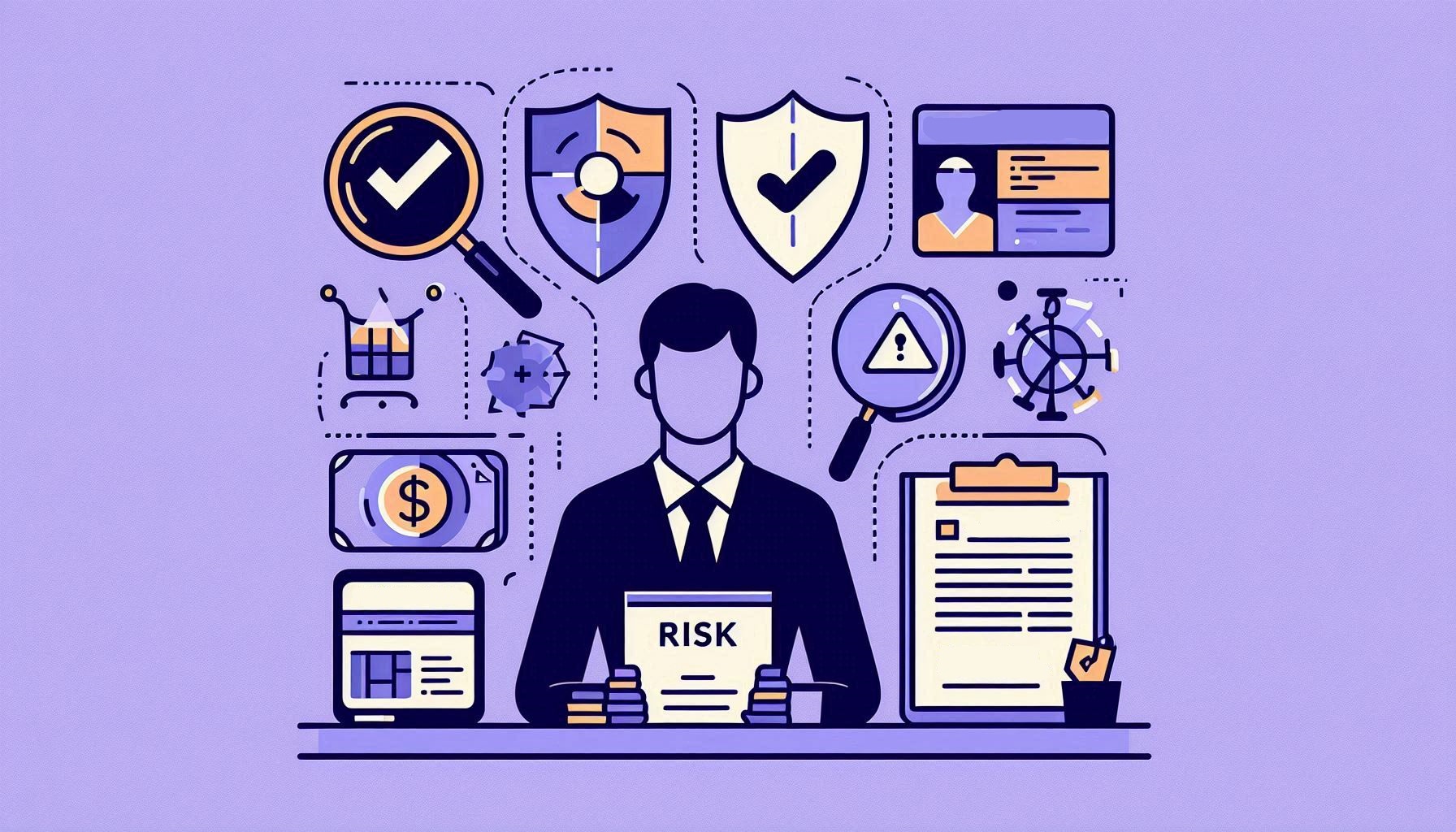
Know Your Customer (KYC) KYC procedures are a critical part of compliance checks. Banks are required to verify the identity of their customers to ensure they are not engaging in illegal activities. This involves gathering documentation such as government-issued ID, proof of address, and, in some cases, information on the source of funds. KYC checks are vital for maintaining transparency and preventing financial crimes like money laundering.
Learn more about the importance of KYC in compliance from Trulioo's guide.
Anti-Money Laundering (AML) AML compliance is another core aspect of bank compliance checks. Financial institutions must have processes in place to detect and report suspicious transactions that could indicate money laundering or terrorist financing. This involves monitoring transactions for unusual patterns and ensuring the bank files the necessary Suspicious Activity Reports (SARs) with the relevant authorities.
For more detailed information, you can read Napier's AML check insights.
Risk Assessments Compliance checks often include comprehensive risk assessments, which involve evaluating the bank's exposure to regulatory risks. This includes reviewing the institution’s policies, procedures, and controls to identify potential compliance gaps that could lead to regulatory breaches.
Reporting and Audits As part of the compliance check process, banks must maintain detailed records and submit reports to regulatory bodies. These audits ensure that the bank's operations remain compliant with all relevant laws, and any gaps identified during the audit must be addressed to prevent future violations.
Learn more about the steps involved in regulatory audits from this ICBA Compliance Checkup Program.
Who Is Responsible for Carrying Out Compliance Checks in Banks?
Compliance checks in banks are a collective responsibility involving multiple departments and roles within the institution. Here’s an overview of who is responsible for carrying out compliance checks:
1. Bank Compliance Officers
Bank compliance officers are primarily responsible for overseeing the institution’s compliance programs. They ensure that the bank adheres to all regulatory requirements, from AML checks to KYC protocols. Compliance officers develop and implement compliance strategies, conduct internal audits, and ensure that any compliance gaps are addressed.
Learn more about the role of compliance officers in banking from Vespia’s guide.
2. Internal Auditors
Internal auditors play a crucial role in ensuring compliance by conducting regular audits of the bank’s operations, systems, and controls. These audits help identify any compliance issues and ensure that the bank is following the proper procedures to mitigate risks.
3. Senior Management
The senior management team, including the board of directors and executives, is responsible for providing oversight and ensuring that the bank allocates sufficient resources to its compliance efforts. They are also tasked with fostering a culture of compliance throughout the institution.
4. Bank Employees
Every bank employee plays a role in maintaining compliance. From front-line staff to back-office personnel, employees must be trained to recognise and report suspicious activities, follow KYC procedures, and ensure that transactions comply with regulatory standards.
For more insights into the role of bank staff in compliance, check out this resource on compliance responsibilities.
Why Are Bank Compliance Checks Important?
Bank compliance checks are critical for several reasons. Here’s why they matter:
1. Preventing Financial Crime
By conducting regular compliance checks, banks can detect and prevent fraudulent activities such as money laundering, tax evasion, and terrorist financing. Effective compliance programs help maintain the financial system’s integrity and prevent criminals from exploiting banks for illicit purposes.
2. Ensuring Regulatory Adherence
Failure to comply with regulations can lead to significant penalties, including fines and legal action. Compliance checks help banks avoid these consequences by ensuring that they operate within the legal frameworks set by regulators.
For more insights into banking regulatory requirements, visit Unit21's compliance checklist.
3. Protecting Reputation
A bank’s reputation is closely tied to its adherence to regulations. Non-compliance can lead to reputational damage, loss of trust from customers, and difficulties attracting new business. Regular compliance checks help banks maintain their credibility and trustworthiness in the eyes of both customers and regulators.
4. Mitigating Risks
Compliance checks also serve to mitigate various risks, including operational, reputational, and legal risks. By identifying potential vulnerabilities, banks can take proactive steps to strengthen their compliance programs and reduce the chances of regulatory breaches.
For a deeper understanding of how compliance impacts banking operations, check out Vespia's blog on bank compliance.
How Are Bank Compliance Checks Conducted?
Bank compliance checks are typically conducted by the bank’s compliance department or an external auditor. The process involves reviewing various aspects of the bank’s operations to ensure that it adheres to applicable laws and regulations. Here’s how the process is usually carried out:
1. Review of Customer Records
The compliance team reviews customer accounts to ensure that all required documentation has been collected and verified. This includes verifying KYC documents and ensuring that any flagged transactions have been appropriately monitored and reported.
2. Transaction Monitoring
Banks use automated software to monitor customer transactions for suspicious activities. Compliance officers review flagged transactions to determine if they require further investigation or if a Suspicious Activity Report (SAR) should be filed with the relevant authorities.
3. Internal Audits
Internal audits are often part of the compliance check process. These audits evaluate the effectiveness of the bank’s compliance programs, policies, and controls, identifying any areas that need improvement.
4. Reporting and Documentation
After the compliance check is complete, the compliance team generates a report outlining their findings. This report is submitted to the relevant regulatory bodies, and any areas of non-compliance are addressed through corrective action plans.
Learn more about how compliance checks are performed from this ScienceDirect guide on compliance checks.
Fiskil: Supporting Bank Compliance with Secure Data Access
With the increasing complexity of regulatory requirements, financial institutions are turning to modern solutions like Fiskil to streamline their compliance checks. Fiskil provides seamless access to real-time financial and energy data, helping banks enhance their compliance processes and ensure that they meet their regulatory obligations.
What Fiskil Does
Fiskil connects banks and financial institutions to real-time banking and energy data, allowing them to monitor transactions, verify identities, and ensure that all operations comply with relevant regulations. Fiskil’s robust API infrastructure simplifies the compliance process by enabling easy data access while adhering to the security standards required by regulatory bodies.
Key Benefits of Fiskil for Compliance Checks:
- Identity Verification: Fiskil enables banks to verify account ownership and identity details in real-time, ensuring compliance with KYC and AML requirements.
- Fraud Detection: Fiskil’s data services help compliance teams detect fraudulent transactions by providing access to real-time transaction data.
- Automated Onboarding: With Fiskil, banks can streamline their onboarding processes, reducing the risk of errors and ensuring that all customer data is collected and verified.
- Data Security: Fiskil ensures that all shared data is secure, adhering to the highest standards of privacy and compliance.
Discover more about how Fiskil supports banking compliance in this blog.
Conclusion
Bank compliance checks are an essential part of maintaining regulatory adherence, preventing financial crime, and protecting a bank’s reputation. By implementing KYC procedures, monitoring transactions, and conducting regular audits, banks can ensure they operate within the legal frameworks set by regulators. Compliance checks not only safeguard the institution from legal penalties but also strengthen trust with customers and stakeholders.
With modern solutions like Fiskil, banks can further enhance their compliance efforts. Fiskil’s real-time data access, fraud detection, and identity verification tools simplify the compliance process, ensuring that financial institutions can meet their obligations while maintaining operational efficiency.
Relevant Links:
Fiskil Blog Posts
- Fiskil Official Website
- Will AI Replace Bank Compliance?
- Guide to Compliance: Definitions, Types, and Key Regulations
- Leveraging AI for Enhanced Compliance in Banking
- How to Ensure Banking Data Security Compliance
- Ensuring Compliance with Open Banking Rules: A Guide for Financial Institutions
- KYC: Explained
Additional Compliance Resources
- ICBA: Bank Compliance Checkup Program
- Vespia: What is Bank Compliance?
- Unit21: Banking Regulatory Compliance Checklist
- Napier: What is an Anti-Money Laundering Check?
- Investopedia: Know Your Customer (KYC)
- Fenergo: Risk and Compliance in Banking
- Trulioo: Understanding KYC
- ScienceDirect: Compliance Check